
Most residential carpet lasts between 5 and 15 years, depending on the carpet material, foot traffic, installation quality, and maintenance.
Some homes see carpet wear out closer to five years, while others enjoy well-maintained flooring for more than a decade. The difference often comes down to a few key factors:
- Carpet type matters
- Traffic levels matter
- Padding matters
- Maintenance habits matter
- And knowing the signs it’s time to replace makes all the difference
Understanding these variables helps you determine whether your carpet still has life left — or if it’s time to start planning a replacement.
 Quick Takeaways
- Most carpet lasts 5–15 years.
- High-traffic areas may wear out in 5–10 years.
- Premium fibers like nylon and wool last longer.
- Carpet padding significantly affects overall lifespan.
- Regular cleaning can extend carpet life.
- Visible matting, stains, and odors are common signs it’s time to replace.
What Affects How Long Carpet Lasts?
Several variables influence how long carpet holds up in a home.
Carpet Fiber Type
The material used to make your carpet plays a major role in durability. Nylon and wool are generally more resilient, while polyester and olefin may show wear sooner in high-traffic areas.
Carpet Density and Construction
Denser carpets with tightly packed fibers tend to last longer. Higher face weight and better backing construction improve resistance to crushing and matting over time.
Foot Traffic Levels
Rooms that see heavy daily use wear down faster. Entryways, hallways, and living rooms typically age more quickly than guest bedrooms or formal spaces.
Pets and Children
Claws, spills, accidents, and frequent activity accelerate wear. Homes with pets or young children often experience shortened carpet lifespan without proper maintenance.
Quality of Installation
Poor installation can lead to rippling, uneven wear, and premature breakdown. Proper stretching and secure seams significantly impact long-term performance.
Carpet Padding
Padding acts as the foundation beneath your carpet. Low-quality padding can compress quickly, reducing support and causing carpet fibers to break down faster.
Maintenance Habits
Regular vacuuming and periodic professional cleaning remove abrasive dirt particles that grind against fibers and shorten carpet life.
Humidity and Climate Conditions
In humid regions like much of North Carolina, excess moisture can affect both carpet fibers and padding. Proper subfloor preparation and ventilation help prevent long-term issues.
How Long Does Carpet Last by Material Type?
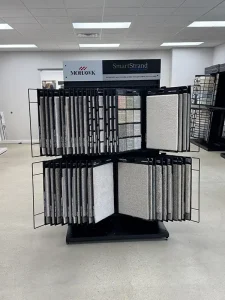
Not all carpet materials perform the same. Here’s a breakdown by fiber type:
Nylon Carpet Lifespan
- 10–15 years
- Extremely durable and resilient
- Ideal for high-traffic households
Nylon is one of the longest-lasting synthetic carpet fibers and is commonly recommended for active homes.
Polyester Carpet Lifespan
- 5–10 years
- Budget-friendly
- Less resilient in heavy traffic
Polyester offers vibrant color options but may show wear more quickly in busy areas.
Olefin (Polypropylene) Carpet Lifespan
- 5–8 years
- Moisture resistant
- Best suited for low-traffic spaces
Olefin performs well in moisture-prone areas but lacks the resilience of nylon.
Wool Carpet Lifespan
- 15+ years with proper care
- Premium, natural option
- Naturally durable and resilient
Wool is known for longevity and luxury but requires consistent maintenance.
How Long Does Carpet Last in High-Traffic Areas?
High-traffic zones often see noticeable wear within 5–10 years.
These areas include:
- Hallways
- Stairs
- Living rooms
- Entryways
Over time, fibers flatten and lose resilience. You may notice matting, visible walk paths, and thinning in commonly traveled spots. Even durable carpet materials will eventually show signs of breakdown in these areas.
Does Carpet Padding Affect Lifespan?
 Yes — padding plays a critical role in how long carpet lasts.
Padding provides cushioning, absorbs impact, and supports the carpet fibers above it. Low-density padding compresses quickly, reducing structural support and accelerating wear.
Higher-density padding:
- Extends carpet durability
- Improves comfort
- Reduces fiber breakdown
Moisture-barrier padding can also protect against spills seeping into the subfloor. Improper or low-quality padding often shortens carpet lifespan significantly — a factor many homeowners overlook.
Signs It’s Time to Replace Your Carpet
Even well-maintained carpet eventually reaches the end of its life. Watch for these indicators:
Matting or Crushed Fibers
If fibers remain flattened even after cleaning, the internal structure may be permanently damaged.
Stains That Won’t Lift
Deep-set stains that persist after professional cleaning often signal irreversible fiber damage.
Lingering Odors
Persistent smells, especially from pets or moisture exposure, can become trapped in padding and backing.
Increased Allergy Symptoms
Older carpet can trap allergens, dust, and debris, contributing to indoor air quality issues.
Visible Wear Paths
Noticeable traffic lanes or thinning areas are clear signs of advanced wear.
Padding Breakdown
If the carpet feels uneven or less cushioned underfoot, the padding may have deteriorated.
Rippling or Wrinkling
Loose or buckling carpet can indicate installation issues or aging materials.
How to Make Carpet Last Longer
With proper care, you can maximize your carpet’s lifespan.
- Vacuum 1–2 times per week
- Schedule professional cleaning every 12–18 months
- Use entry mats in high-traffic areas
- Rotate furniture to prevent pressure spots
- Address spills immediately
- Choose high-quality padding during installation
Consistent maintenance combined with professional installation significantly extends carpet performance.
Frequently Asked Questions About Carpet Lifespan
Can carpet last 20 years?
In rare cases, high-quality wool carpet in low-traffic areas can last 20 years or more. However, most residential carpet falls within the 5–15 year range.
How often should carpet be replaced?
Most homeowners replace carpet every 8–12 years, depending on wear and lifestyle factors.
Is it better to clean or replace old carpet?
If carpet still has structural integrity and only surface staining, professional cleaning may help. If padding has broken down or fibers are crushed, replacement is usually the better investment.
Does carpet wear out faster with pets?
Yes. Pet traffic, claws, and accidents can accelerate fiber wear and padding breakdown.
How long does carpet last in bedrooms?
Bedrooms often experience lighter traffic, so carpet can last closer to 10–15 years in those spaces.
Does humidity affect carpet lifespan?
Excess humidity can impact padding and subfloor conditions. Proper installation and moisture management are important in humid climates.
Final Answer: How Long Does Carpet Last?
On average, carpet lasts between 5 and 15 years.
Its lifespan depends on:
- Fiber type
- Traffic levels
- Maintenance habits
- Padding quality
- Installation workmanship
High-traffic areas typically wear out sooner, while properly installed and maintained carpet can last well over a decade.
Ready for New Carpet? Upgrade Your Home with Professional Installation
If your carpet is nearing the end of its lifespan, upgrading can dramatically improve comfort, appearance, and indoor air quality.
At Burch Brothers Flooring, we provide professional carpet installation in Garner, Raleigh, and surrounding areas. Our process includes:
 Proper subfloor preparation
- Expert padding selection
- Precise installation techniques
- Long-term durability planning
- Full manufacturer warranty compliance

Choosing the right carpet is only half the equation — proper installation ensures it lasts as long as possible.
If you’re considering new flooring, explore our carpet installation services and schedule a consultation with our team today.
