Burch Brothers Flooring provides expert flooring installation and hardwood flooring sales for homeowners and businesses across Garner, Raleigh, and the surrounding Triangle area. As experienced hardwood floor installers with more than 30 years in the trade, we carry solid and engineered hardwood from manufacturers like Mohawk, Shaw Floors, and Anderson Hardwood. Our team can remove any previous flooring, prepare your subfloor, and install hardwood floors that look right and last for decades. Call (919) 615-0022 to schedule a free in-home estimate.
If you are having trouble selecting the best flooring needs
Give us a call. We will be happy to answer all your questions.
Solid vs Engineered Hardwood
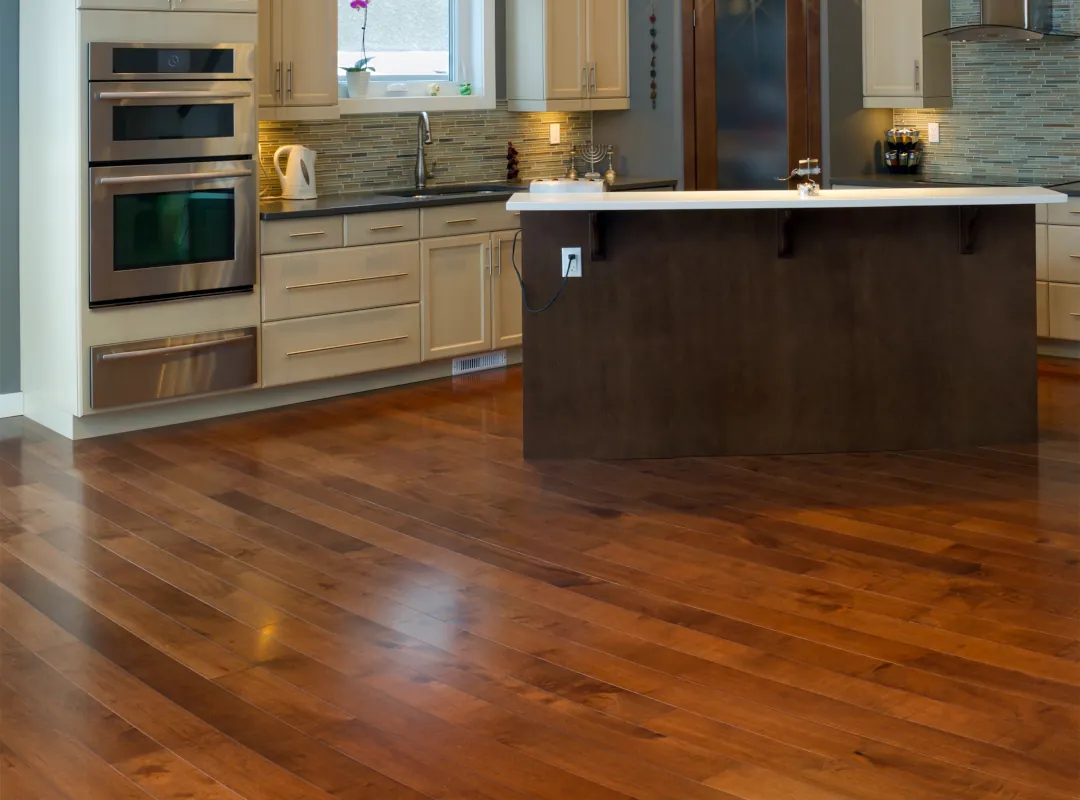
What is the difference between engineered hardwood and solid hardwood? Solid hardwood is milled from a single piece of wood, typically 3/4-inch thick, and can be sanded and refinished multiple times over its lifespan. Engineered hardwood layers a real wood veneer (usually 2mm to 6mm thick) over a plywood or HDF core, giving it greater dimensional stability against humidity and temperature changes.
Both types deliver the look and feel of real hardwood. The right choice depends on where the floor is going and what conditions it will face.
When to Choose Solid Hardwood
Solid hardwood is the traditional option and the one most Garner homeowners picture when they think of hardwood floors. It works best in ground-level and above-grade rooms where moisture levels stay consistent. Living rooms, dining rooms, hallways, and bedrooms are all strong candidates.
The biggest advantage of solid hardwood is longevity. A 3/4-inch solid oak floor can be sanded and refinished three to five times, giving it a functional lifespan of 50 years or more with proper maintenance. For homeowners in established Garner neighborhoods like Vandora Springs, Heather Hills, and Forest Hills, solid hardwood is a long-term investment that adds measurable value to the property.
Solid hardwood should not be installed below grade (basements) or directly over concrete slabs without a proper moisture barrier. It expands and contracts more than engineered options, which makes it sensitive to the humidity swings common in central North Carolina.
When to Choose Engineered Hardwood
Engineered hardwood handles moisture and temperature fluctuations better than solid wood because its layered construction resists expansion and contraction. This makes it the better choice for:
- Basements and below-grade rooms where concrete subfloors introduce moisture
- Homes with radiant heat systems where temperature changes are constant
- Slab foundations common in newer Garner construction along US 70 and the Ten-Ten Road corridor
- Open-concept layouts where the floor spans a large, continuous area
Engineered hardwood can be glued down, stapled, or installed as a floating floor, giving you more flexibility depending on the subfloor conditions. The top veneer is real wood, so it looks identical to solid hardwood once installed. Higher-quality engineered products with a 4mm or thicker wear layer can be sanded and refinished once or twice, extending their lifespan well beyond the initial project timeline.
We carry engineered hardwood options in every species and finish we offer. During your in-home consultation, we will help you determine which type fits your home’s construction, your rooms, and your budget.
Types of Hardwood Floors
The wood species you choose affects how your floor looks, how it performs, and how long it holds up. Each species has a distinct grain pattern, natural color range, and hardness rating. Here is a straightforward guide to the most popular types of hardwood floors we install in Garner homes.
Oak Hardwood Flooring
Oak is the most widely installed hardwood species in the United States, and it is our most requested option in Garner. Two varieties are available: red oak and white oak.
Red oak has a warm, pinkish-brown tone with a prominent grain pattern. It rates 1,290 on the Janka hardness scale, which makes it durable enough for living rooms, hallways, and bedrooms. Red oak takes stain well, so you can customize the color from natural honey tones to deep espresso.
White oak has a cooler, golden-brown color with a tighter, more subtle grain. It rates 1,360 on the Janka scale (slightly harder than red oak) and has a closed grain structure that makes it more resistant to moisture. White oak has become the dominant choice for modern and farmhouse-style homes throughout the Triangle. It is also the preferred species for wide-plank installations.
Oak hardwood is available in both solid and engineered formats, and in plank widths ranging from 2-1/4 inches to 7 inches or wider. We carry oak flooring from Mohawk, Shaw, and Anderson in dozens of finish and color options.
Hickory Hardwood Flooring
Hickory is the hardest domestic hardwood species commonly used for flooring, rating 1,820 on the Janka scale. That extra hardness translates directly into dent and scratch resistance, making hickory the top choice for high-traffic areas, homes with large dogs, and families with active kids.
Hickory has a dramatic grain pattern with natural color variation ranging from creamy white sapwood to deep brown heartwood. This variation gives hickory floors a rustic, character-driven look that works well in traditional homes, lake houses, and open floor plans. Homeowners in communities near Lake Benson and along Timber Drive frequently choose hickory for its combination of toughness and visual warmth.
The same hardness that makes hickory durable also makes it more difficult to sand and refinish. If you are considering hickory, plan on working with experienced flooring contractors who know how to handle the species. Our team has been installing hickory in homes across Garner for decades.
Maple Hardwood Flooring
Maple rates 1,450 on the Janka scale and has a fine, uniform grain that creates a clean, contemporary appearance. The natural color is a light, creamy white that brightens rooms and pairs well with modern cabinetry and trim.
Maple’s tight grain means it does not absorb stain as evenly as oak. For this reason, maple floors look best in natural or light finish tones. If you want a darker floor, oak or walnut is a better starting point. Maple is an excellent choice for bedrooms, home offices, and spaces where you want a smooth, consistent look without heavy grain character.
Walnut Hardwood Flooring
Walnut is a premium hardwood with a rich, chocolate-brown color and flowing grain pattern. It rates 1,010 on the Janka scale, which is softer than oak, hickory, and maple. That lower hardness means walnut is best suited for rooms with moderate foot traffic: master bedrooms, formal dining rooms, and home offices.
What walnut lacks in hardness, it makes up for in visual impact. A walnut floor creates a warm, sophisticated look that stands out without competing finishes or accessories. We recommend walnut for homeowners who prioritize appearance and are willing to use felt pads, area rugs, and regular maintenance to protect the surface.
Walnut is available in both solid and engineered formats. Engineered walnut is a practical way to get the walnut look in spaces where solid walnut might be too soft for the traffic level.
Hardwood Floor Finishes
How your hardwood floor is finished determines its final appearance, its durability, and the project timeline. You have two main options: site-finished and pre-finished.
Site-Finished vs Pre-Finished Hardwood
Site-finished hardwood arrives as raw, unfinished planks. After installation, we sand the entire floor smooth, apply your chosen stain color, and seal it with multiple coats of polyurethane on site. The result is a perfectly flat surface with no micro-bevels between boards. Stain and finish flow continuously across the floor, creating a seamless look.
Site finishing gives you complete control over the final color. We bring stain samples to your home so you can see how each option looks under your actual lighting and against your walls. This is the best option if you want a custom color match, if you are blending new wood flooring with existing floors in adjacent rooms, or if you want the smoothest possible surface.
The tradeoff is time. Site finishing adds two to four days to the project for sanding, staining, and drying between coats. We use dustless sanding equipment to minimize airborne dust, but the finish coats do need time to cure before the floor can handle foot traffic.
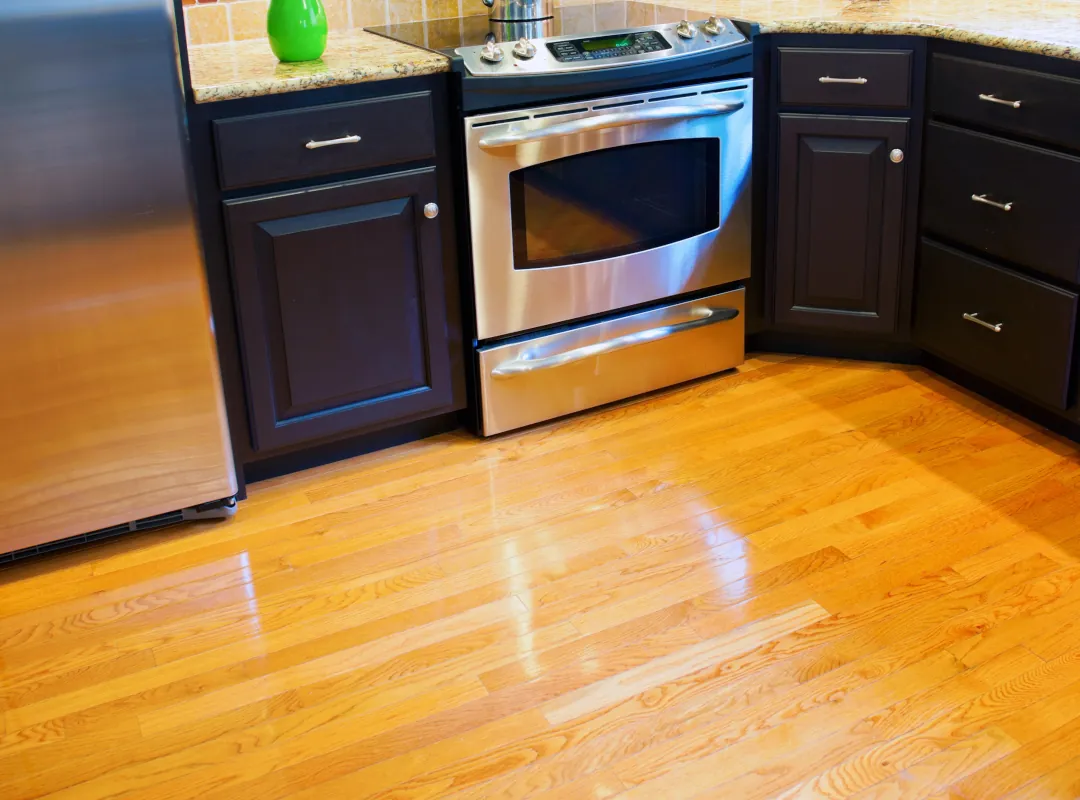
Pre-finished hardwood comes from the factory with the stain and finish already applied, typically using a UV-cured aluminum oxide topcoat that is harder and more scratch-resistant than most site-applied finishes. Installation is faster because there is no sanding, staining, or drying time on site. You can walk on the floor the same day it is installed.
Pre-finished planks have micro-beveled edges between each board. This bevel is a design feature that also hides minor subfloor imperfections, but it does create small grooves where dust can collect. Most homeowners find this easy to manage with regular vacuuming.
We carry pre-finished hardwood from Mohawk, Shaw Floors, and Anderson in a wide range of species, widths, and colors.
You also have a choice between water-based and oil-based polyurethane. Water-based polyurethane dries in two to four hours per coat, produces less odor, and maintains the wood’s natural color. Oil-based polyurethane adds a warm amber tone that deepens over time and provides a slightly harder wearing surface. We apply both types regularly and recommend the best option based on your floor species, stain color, and household traffic patterns.
Hardwood vs Other Flooring Types
Choosing between hardwood and other flooring options depends on the room, your household, and your priorities. Here is how hardwood compares to the most common alternatives we install.
Hardwood vs Laminate Flooring
Laminate flooring gives you the look of hardwood at a lower price point. Modern laminate products feature realistic wood-grain textures and scratch-resistant surface layers that hold up well in busy households. Laminate installs faster than hardwood and requires less maintenance.
The key difference is longevity. Solid hardwood can be sanded and refinished multiple times, giving it a lifespan of 50 years or more. Laminate cannot be refinished. Once the wear layer is damaged, the floor needs to be replaced. Laminate also lacks the resale value that real hardwood adds to a home. For high-visibility living spaces where long-term value matters, hardwood is the stronger investment. We handle both hardwood and laminate installation regularly and can help you decide which material fits each room in your home. Laminate installation is typically faster because the click-lock system does not require nailing or gluing. Laminate works well for guest bedrooms, bonus rooms, and rental properties where budget and speed are priorities.
Hardwood vs Vinyl Flooring
Luxury vinyl plank (LVP) is waterproof, scratch-resistant, and available in designs that closely mimic hardwood. Vinyl flooring handles moisture, pet accidents, and heavy foot traffic without warping or staining, making it the go-to choice for kitchens, bathrooms, laundry rooms, and finished basements where hardwood is not practical.
Hardwood, however, offers a warmth and authenticity that vinyl cannot replicate. The feel underfoot, the way it ages and develops character over time, and the resale value it adds to your property set hardwood apart. Many Garner homeowners install hardwood in main living areas and vinyl in wet rooms and utility spaces to get the best of both materials.
Vinyl is also more affordable per square foot than hardwood and installs quickly over most existing subfloors. For homeowners weighing these two options, our blog post on LVP for busy households breaks down the pros and cons in detail. We carry luxury vinyl plank and luxury vinyl tile from top manufacturers alongside our full hardwood selection.
Hardwood vs Carpet
Carpet provides softness, sound absorption, and warmth that hardwood cannot match. It is the better choice for upstairs bedrooms, playrooms, and media rooms where comfort and quiet are the priority. Carpet also costs less per square foot than hardwood and installs in a single day for most rooms.
Hardwood wins on durability, ease of cleaning, and resale value. Carpet traps dust, pet dander, and allergens in its fibers and needs replacement every 8 to 15 years depending on traffic and maintenance. A hardwood floor in the same room will last decades with periodic refinishing. Many homeowners in Garner install hardwood on the main level and carpet upstairs, combining durability where it matters most with comfort where it counts.
We install both hardwood and carpet throughout Garner and Raleigh homes. If you are replacing old carpet and considering hardwood, we can remove the existing carpet, inspect the subfloor, and install new hardwood in the same project.
Hardwood vs Tile
Tile is the standard for bathrooms, entryways, kitchens, and any area with regular water exposure. Porcelain and ceramic tile are waterproof, heat-resistant, and extremely durable. Tile flooring also offers design versatility through patterns, colors, and sizes that hardwood cannot match.
Hardwood is warmer underfoot, quieter to walk on, and creates a more inviting feel in living spaces, dining rooms, and bedrooms. Tile can feel cold and hard, which is why most homeowners reserve it for wet areas and high-traffic entryways.
For open floor plans that transition from kitchen to living room, some Garner homeowners use tile in the kitchen and hardwood in the adjacent living space. We handle both tile and hardwood installation and coordinate transitions between the two materials for a clean, professional result.
Comparing Cost, Durability, and Maintenance
Each flooring type occupies a different range on the cost and durability spectrum. Hardwood and tile cost more upfront but last longer with proper care. Laminate and vinyl cost less but have shorter lifespans and cannot be refinished. Carpet is the most affordable upfront but requires replacement most frequently. We provide detailed pricing during your consultation so you can compare options for each room based on your budget and how long you want the floor to last.
Which Flooring Is Right for Each Room
There is no single flooring type that works perfectly in every room. The strongest approach is matching the material to the room’s demands. Hardwood for living rooms, dining rooms, and bedrooms. Tile for bathrooms and entryways. Vinyl for kitchens, laundry rooms, and basements. Laminate for bonus rooms and rental properties. Carpet for upstairs bedrooms and playrooms. We walk every client through this room-by-room approach during the in-home consultation and recommend the best fit for each space.
Hardwood Flooring and North Carolina Humidity

Central North Carolina has a humid subtropical climate. Summers in Garner bring relative humidity levels that regularly exceed 70%, while winter heating drops indoor humidity well below 40%. That seasonal swing is the single biggest environmental challenge for hardwood floors in this region.
Wood is hygroscopic, meaning it absorbs and releases moisture as the surrounding humidity changes. When humidity rises, hardwood planks absorb moisture, expand, and can cup (edges rise higher than the center). When humidity drops, planks release moisture, contract, and gaps open between boards. These movements are normal and expected. The goal is to keep them within a manageable range so the floor stays flat and the gaps stay tight.
Keeping indoor relative humidity between 35% and 55% year-round is the most important thing you can do for your hardwood floors. Run a dehumidifier or set your HVAC to dehumidify mode from May through September. Use a humidifier during winter months when forced-air heating dries indoor air below the safe range. Allow hardwood to acclimate in your home for a minimum of three days before we begin installing it. And avoid wet mopping: clean with a damp microfiber mop and a pH-neutral hardwood floor cleaner.
Homes in low-lying areas near Lake Benson and along creek beds in the White Oak and Lakewood neighborhoods may need extra attention to crawl space ventilation and vapor barriers beneath the subfloor. We evaluate moisture conditions during every in-home consultation and flag potential issues before hardwood installation begins.
Engineered hardwood handles these humidity swings better than solid hardwood, which is one reason we often recommend it for Garner homes without whole-house humidity control.
Our Hardwood Installation Process
Every hardwood flooring installation follows a structured process. We keep you informed from the first consultation through final walkthrough. Your project starts with a free visit from one of our flooring specialists, who measures every room receiving new hardwood, inspects the subfloor, checks moisture levels, and brings samples in multiple species, stain colors, and plank widths.
This is also when we discuss how to choose hardwood flooring for your specific situation. A family room with three kids and a dog needs a different species and finish than a formal dining room that hosts occasional dinners. We match the product to the room so your investment performs the way it should.
Subfloor Preparation and Installation
The subfloor determines how well your hardwood floor performs. We inspect for moisture, levelness, and structural integrity. Concrete subfloors get a moisture test. Plywood subfloors get checked for squeaks, soft spots, and proper fastening. If we find issues, we address them before a single plank goes down. Skipping this step is the most common reason hardwood installations fail prematurely.
Our installers are trained on every installation method: nail-down for solid hardwood over wood subfloors, glue-down for engineered hardwood over concrete, and floating installations where the project calls for it. We handle transitions between rooms, thresholds at doorways, and custom cuts around built-ins, staircases, and fireplaces.
For site-finished installations, sanding, staining, and finish application happen after the planks are laid. For pre-finished installations, the floor is ready for furniture the same day.
After installation, we walk through every room with you to confirm the work meets your expectations. We remove all debris, packaging, and leftover material. Your home is left clean and ready to enjoy.
Most single-room hardwood installations take one to two days. Whole-home projects typically take three to five days, depending on the scope and whether site finishing is involved. For a broader look at our installation services across all flooring types, visit our flooring installation page.
Hardwood Floor Refinishing and Maintenance
Already have hardwood floors that need restoration? Our hardwood floor refinishing team handles everything from light recoats to full sand-and-finish restorations.
Many Garner homes, especially in established neighborhoods like Lakewood, Forest Hills, and Vandora Springs, have original hardwood hiding under layers of old carpet. Pulling up that carpet and refinishing the hardwood underneath is one of the most cost-effective home improvements you can make. Our refinishing process uses dustless sanding equipment, custom stain matching, and your choice of water-based or oil-based polyurethane finishes.
Hardwood floors are one of the most valuable improvements a Garner homeowner can make. For more on how new or refinished hardwood adds to your home’s value, read our post on Garner hardwood floors as a value-adding home improvement.
To keep your hardwood floors looking their best, vacuum or sweep regularly to remove grit that can scratch the finish. Clean with a damp microfiber mop and a pH-neutral hardwood cleaner. Avoid vinegar, steam mops, and wet mopping. Use felt pads under furniture legs, and keep indoor humidity between 35% and 55%. Schedule a maintenance recoat every three to five years to refresh the protective layer before it wears through.
How long does hardwood flooring installation take?
A single room typically takes one to two days. Whole-home installations run three to five days depending on square footage, subfloor prep, and whether you choose site-finished or pre-finished hardwood. We provide specific timelines before work begins.
What types of hardwood floors are best for pets?
Hickory and white oak are the most pet-friendly options due to their hardness. Pair either species with a satin or matte finish, which shows scratches less than high-gloss. We also recommend engineered hardwood with a thick wear layer for homes where pets have occasional accidents, since the layered construction handles moisture better than solid wood. Homes with large dogs benefit from hickory or white oak paired with a matte polyurethane. We can also install luxury vinyl plank in high-traffic pet areas like mudrooms and entryways, and hardwood in the main living spaces.
Ready to install hardwood floors in your home? Contact Burch Brothers Flooring to schedule a free in-home estimate. We will measure your rooms, bring hardwood samples in multiple species and finishes, and provide a written quote with no obligation.
- Phone: (919) 615-0022
- Service area: Garner, Raleigh, and the surrounding Triangle (Vandora Springs, Heather Hills, White Oak, Forest Hills, Lakewood, and all Garner neighborhoods along Timber Drive, US 70, and I-40)
- What to expect: One of our flooring specialists will visit your home, evaluate your subfloor, help you compare hardwood options side by side, and give you a clear price with no hidden fees.
Burch Brothers Flooring has been Garner’s trusted hardwood flooring and flooring installation provider for more than 30 years. Call (919) 615-0022 today to get started.
What Our Customers Are Saying
Our 5-star reviews speak for themselves. Customers consistently highlight our great job, professionalism, and customer satisfaction. From floor repair to complete new flooring project, homeowners trust Burch Brothers to get it right the first time.
CONTACT US
Brands We Handle
We carry the best products from top flooring manufacturers, including Anderson, Mohawk, Phenix, Congoleum, and more—giving you a wide selection of flooring options to fit your project.